RAD
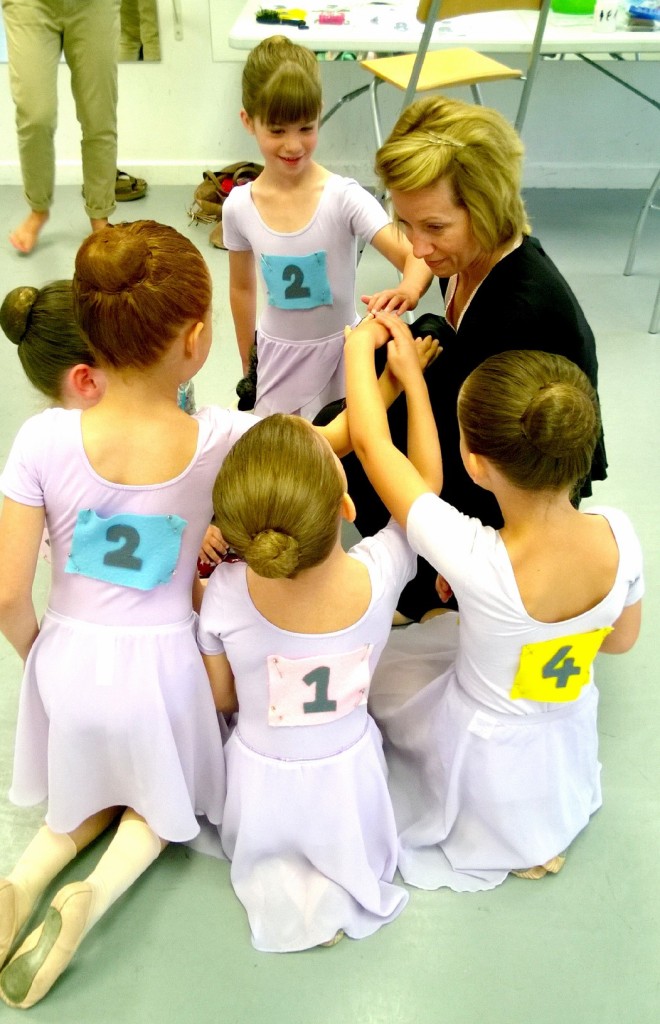
Colours of Dance prepares ballet pupils for entry to the Royal Academy of Dance's portfolio of examination syllabi. Teachers will determine when each pupils is ready for examination, but a general description of what standards the examinations assess to - and thus what qualifications they provide, are provided by the RAD and copied below for convenience.
The opportunity to take an RAD exam requires attendance at a special weekly exam preparation class in addition to their general class. In general, we run in-person exam sessions twice a year, in late November and early July. These are for levels Pre-Primary Class Award through to Grade 8 and Intermediate Foundation. For Intermediate and Advanced Levels, we send our students to take their exams at RAD Headquarters in London, so that they can benefit from larger studios and live pianist. We are also able to make filmed exam entries at other times of year, if needed.
Our teachers spend a lot of time considering the needs of each of their pupils carefully and individually, in addition to which the Principal provides a further review. This review is conducted every term. Our focus as a team is to try to ensure that students enjoy and benefit from every class and are moved up to the next grade when they are ready to take on that challenge. In some cases, that might mean preparing for an exam whilst others prefer not to take an exam. We consider physical, emotional and social development as well as consistent demonstration of technical, musical and artistic skills. You are very welcome to contact us at any time for information about your child's progress, but in general, you may also assume they're doing fine and we'll be in touch when they're ready to move to an exam preparation class or to move up!
Recommended Study Hours: These have been set by the RAD as a guideline as to what is required in general for students in terms of hours in the studio and in self-practice, before attaining success at examination. Students' actual hours of study will vary according to their specific experience, so these are intended as a guide. Please note that the following study hours relate to in-person attendance. Our teachers will assess each student as an individual to help them find the right path and timing for themselves, as they grow and develop biologically according to nature and as we are not incontrol of that, we must work with it!
Primary in Dance Examination: normally 40 hours (ie 4 terms)
Grades 1-3 Examination: normally 60 hours (ie 5-6 terms @ 1hr/wk) in class supported by 10 practice hours - Grades 1-3 Solo Performance Award: 50 hours in class supported by 10 practice hours
Grades 4-5 Examination: normally 75 hours in class supported by 20 practice hours - Grades 4-5 Solo Performance Award: 60 hours in class supported by 15 practice hours
Grades 6-8 Examination: normally 90 hours in class supported by 40 practice hours
Intermediate Foundation, Intermediate Examination & Advanced Foundation: 150 hours in class supported by 125 practice hours
Advanced 1 Examination: 150 hours in class supported by 175 practice hours
Advanced 2 Examination: 150 hours in class supported by 225 practice hours
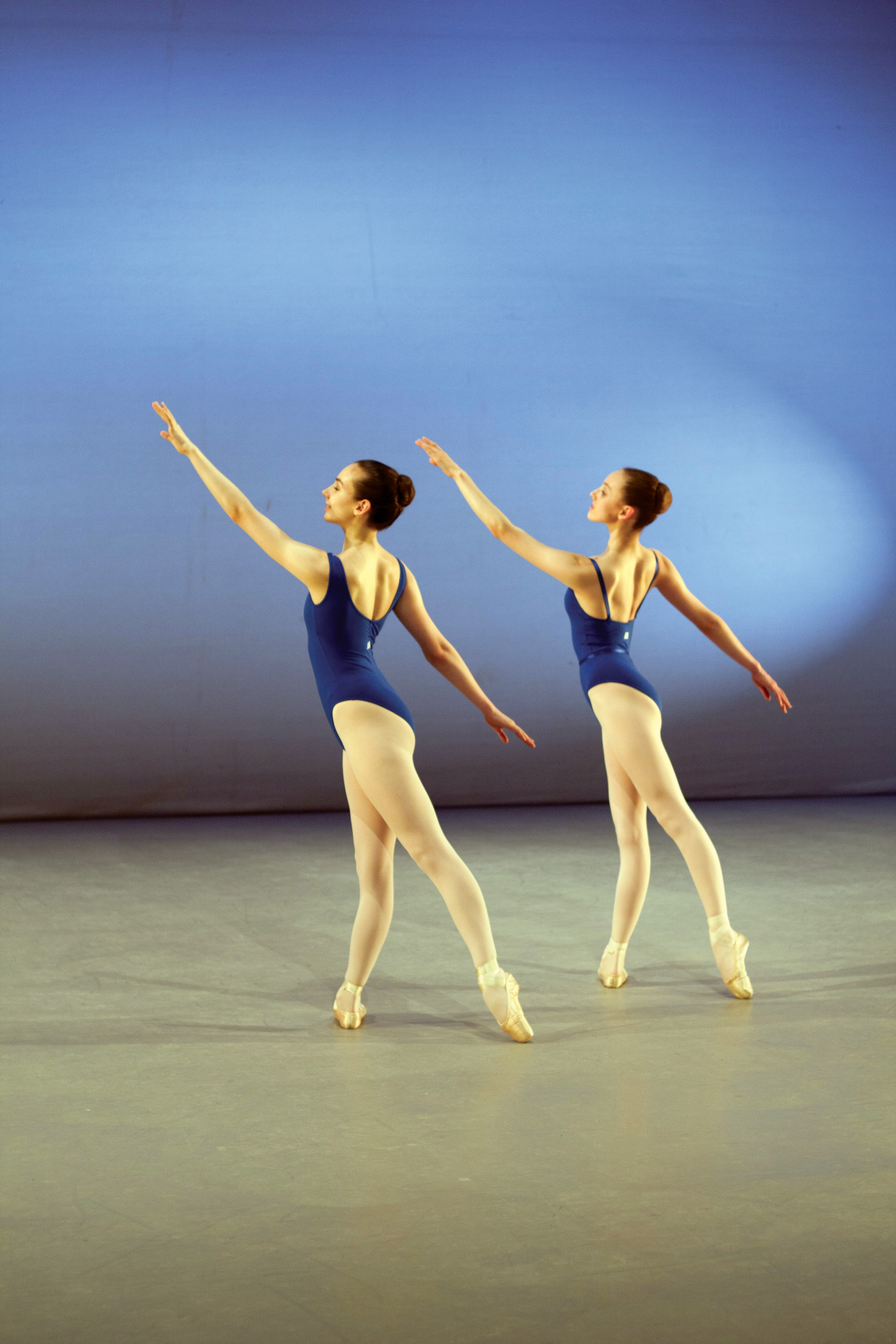
Entry to Vocational Graded Classes (Intermediate Foundation, Intermediate & Advanced): This syllabus is designed for those students wishing to focus on classical ballet, those who wish to train vocationally, or those aspiring to become a teacher in the future. As such, the technical requirement is greater than for the childrens graded syllabi, it includes pointework for girls and additional allegro for boys. The syllabus does not include character dance.
Colours of Dance guidelines for students wishing or invited to study this syllabus are that the student should be attending two graded syllabus classes a week at Grade 4 or higher, with attendance at the vocational classes additional to that - ie a minimum of 3 hours ballet classes per week. This is necessary in order to support good technical development and safe practice. Entry to vocational graded classes is usually by invitation from the Principal and is always subject to approval by the Principal.
"The RAD offers a portfolio of internationally recognised exams designed to encourage, motivate and reward students of all ages and abilities. The RAD is recognised to award qualifications on the Qualifications and Credit Framework (QCF) and National Qualification Framework (NQF) in England and Northern Ireland by the Office of Qualifications and Examinations Regulation (Ofqual) and the Council for the Curriculum Examinations and Assessment (CCEA), and in Wales by the Welsh Government. The RAD is recognised to award qualifications on the Scottish Credit and Qualifications Framework (SCQF) by SQA Accreditation, a part of the Scottish Qualifications Authority. Grades 6-8, Intermediate and Advanced Foundation are included in the UCAS points tariff. Further information is available online and in Examinations Information, Rules and Regulations and Specification documentation, as well as Focus on Exams. Visit https://www.royalacademyofdance.org/dance-exams/ for further details, or email exams@rad.org.uk "
Details of the QCF levels
and details of the UCAS points that are gained from RAD Grade 6/Intermediate examinations and above and which may be used for university applications, are given here: